

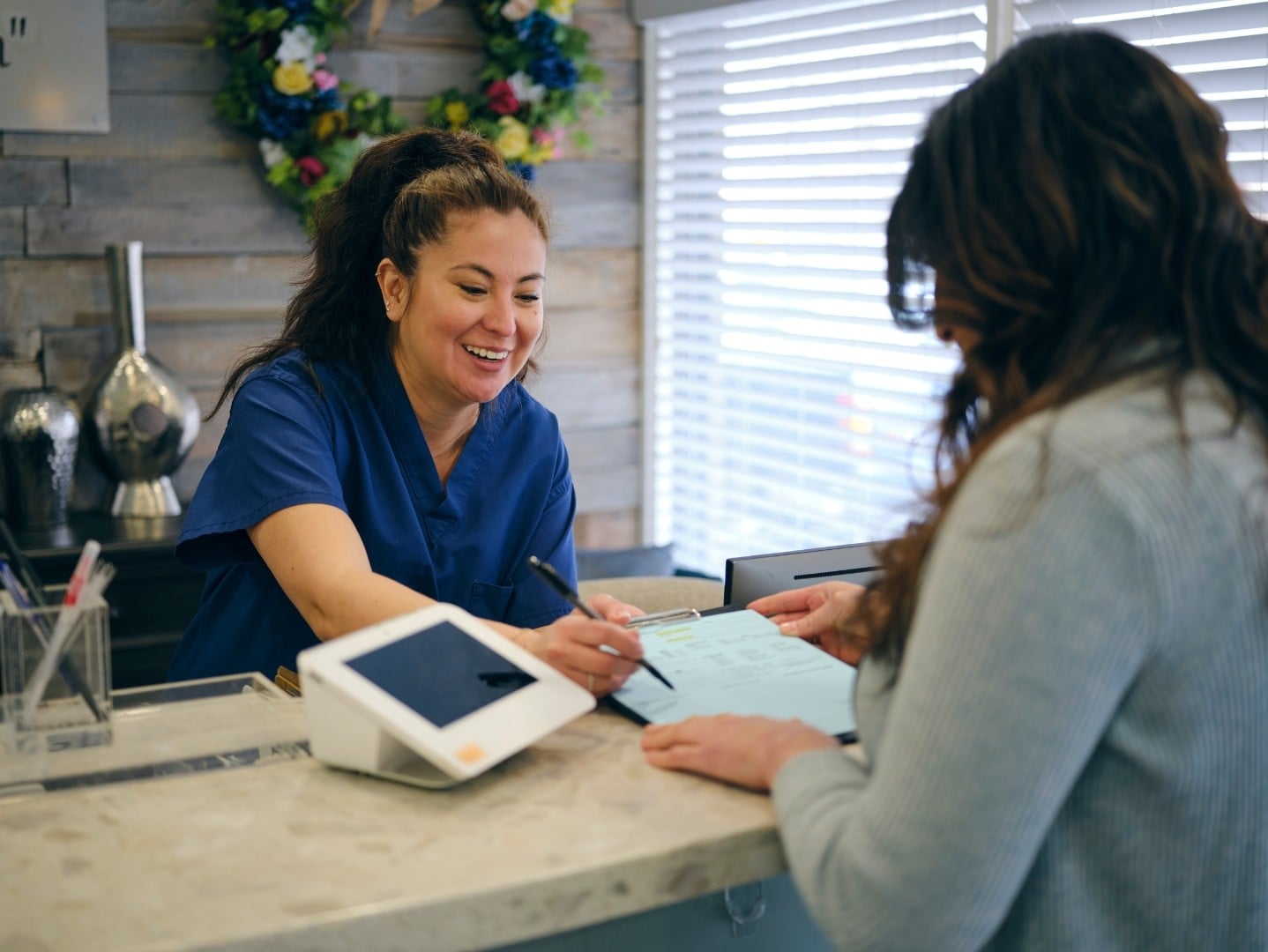
Most practices worry that calling overdue patients will feel pushy. It almost never is. A patient who is six months overdue knows they’re overdue. When you call, the most common response is: “I’ve been meaning to schedule that.”
Why Practices Hesitate to Follow Up
The hesitation is understandable. Nobody wants to make a call that feels like a collections notice. The front desk doesn’t have a consistent script. Previous recall attempts went to voicemail with no response, which made the whole effort feel like wasted time.
But the hesitation costs the practice real appointments. 56% of dental patients are overdue, not because they don’t want to come, but because life got busy and nobody called. The call is a service, not a sales pitch.
The Reality: Most Patients Want to Be Reminded
Dental appointments are easy to delay when nothing hurts. Patients know they should go. They tell themselves they’ll call next week. Next week doesn’t happen.
A phone call from the practice gives them an easy path back. They don’t have to initiate. They don’t have to remember to call. Someone called them, offered specific times, and made it easy to say yes.
Patients who receive personal outreach feel valued by the practice. The ones who genuinely don’t want a call will say so. Note the preference in the PMS and move on. Most won’t say that.
The Tone That Works
Not this: “You’re overdue for your cleaning and it’s been a while since we’ve seen you.”
That sounds like an administrative reminder. Impersonal. Transactional.
This: “Hi Sarah, this is [Name] from [Practice]. Dr. [Name] wanted us to reach out. You’re due for your cleaning and we’d love to get you in. I’m looking at the schedule right now and we have Tuesday at 3pm or Thursday at 2pm. Which works better for you?”
The difference: the dentist’s name makes it personal. The specific appointment times create a decision rather than an open question. The patient chooses which time, not whether to come.
Key elements:
- Open with the dentist’s name: personal, not robotic
- Reference the cleaning specifically, not a generic “follow-up”
- Offer two concrete times immediately
- Ask “which works better?” not “would you like to come in?”
When to Call and How Often
30 days overdue: first call. 60 days overdue: second call if the first was unanswered or declined. 90 days overdue: third call, combined with a follow-up text. 90+ days: move to a lower-frequency cadence, one call per quarter. Some patients need more time. Keep the door open.
Why a VA Does This Consistently
Your front desk team calls overdue patients when they have time. That means inconsistently, some weeks heavily, some weeks not at all. A VA works the recall list on a fixed weekly schedule: same process, same cadence, every week.
The 4-year average VA tenure means the VA gets to know your patients over time. Calls become more personal as the VA recognizes returning patients, remembers their preferences, and builds the kind of familiarity that makes the conversation feel like it’s coming from the practice’s team, because it is.
Cost: $1,995/month. Nearly $23,000 per year less than an in-house hire at $3,840/month all-in.
FAQ
Q: What if a patient says they’ll call back to schedule? A: Offer to hold a time now. “I can put your name on Thursday at 2pm while you check your schedule. Just call back to confirm.” Tentative bookings convert much better than leaving it fully open.
Q: What if they say they switched dentists? A: Acknowledge it warmly: “No problem at all. I’ll update your record.” Note it in the PMS and remove them from the recall list. No pressure, no guilt.
Q: Can a VA handle these calls without sounding like a call center? A: Yes, with proper training and PMS context. When the VA knows the patient’s name, their last visit date, and the dentist’s name, the call sounds personal rather than scripted.
If your overdue patients aren’t getting called, talk to our team about how a VA handles recall consistently. Book a call.