

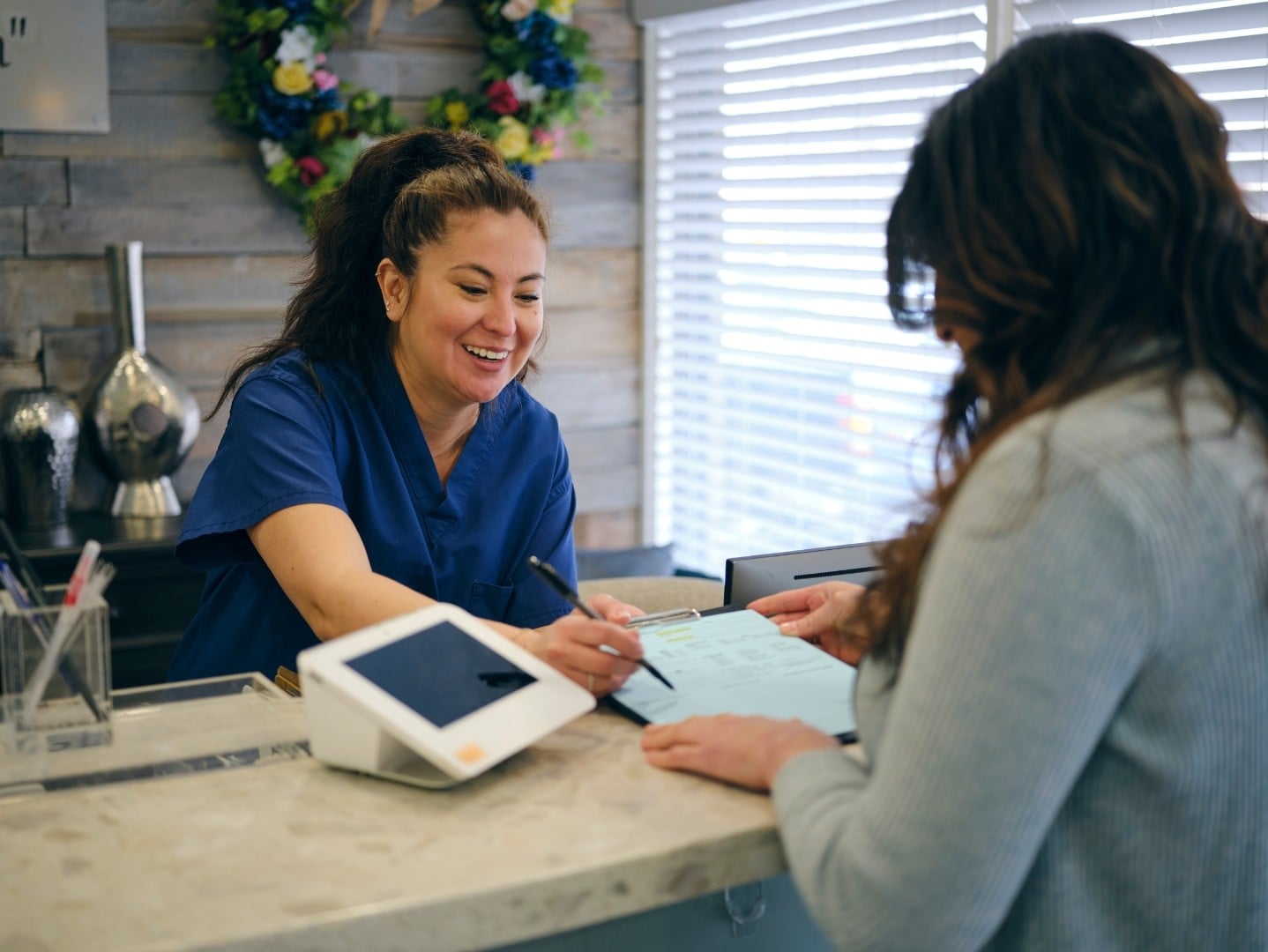
A patient calls your office at 5pm on a Friday. Your team is wrapping up end-of-day work. The call goes to voicemail.
97% of those patients will never call back.
They want to come, and there’s nothing wrong with the practice. The moment they hear a voicemail, their brain switches into passive mode. They didn’t get what they wanted, a human, so they move on. They’ll forget about the appointment, call a competitor instead, or delay until they stop thinking about it.
This article explains why this happens and what forward-thinking practices do about it.
The Psychology of the Voicemail Drop-Off
When a patient calls your office, they’re in an active state. They’ve decided to take action. They have a problem: a toothache, a needed cleaning, an interest in cosmetic work. They picked up the phone. They dialed.
Then they hear: “Thank you for calling [Practice Name]. Please leave a message.”
Their brain downshifts immediately.
Active state means momentum. Passive state means friction.
When they hear voicemail, they experience a kind of rejection: a human didn’t answer. This triggers a psychological retreat. The call is no longer their action; it’s now a waiting game. They have to wait for you to call back. They might forget. They might lose interest. They’ll probably call the next practice that comes up in search results.
The moment of maximum conversion is right now, when the patient has made the decision to act. Miss that window, and the opportunity is gone.
The Data: 97% Never Call Back
Here’s what happens after someone reaches your voicemail:
- 97% never call back
- 3% leave a message, and you eventually reach them
- Of those 3%, only a fraction actually book an appointment
So if 100 patients call your office and reach voicemail: 97 are gone forever.
If your practice gets 30 calls per day, and 32% reach voicemail because your team is busy, that’s 10 voicemail calls per day. Using the 97% figure: you’re losing roughly 9–10 potential patients every single day to a voicemail greeting.
Why Your Patients Aren’t Calling Back
It’s not laziness or indifference. It’s psychology.
Reason 1: They’ve Lost Momentum The decision to call took effort. Now they have to wait. Waiting feels like a barrier. Their brain says: “I’ll call back later.” Later never comes.
Reason 2: They’ve Found an Alternative While holding to listen to your voicemail greeting, they search for another dentist. A competitor’s site comes up. They call them instead.
Reason 3: They Forget They hang up from voicemail, go back to work, go back to their day. Hours pass. They forget they called. By the time they remember, it’s been days, and they’re not going to call back.
Reason 4: They Assume You’re Too Busy A voicemail implies your practice is busy. Some patients assume you’re fully booked and move on.
The Contrast: When You Answer
Compare this to what happens when a human picks up.
Caller: “Hi, I have a toothache and I need to see someone today.” Your team: “Of course. We have an opening at 3pm or 5:30pm. Which works better?” Caller: “5:30pm, please.” Your team: “Perfect. What’s your name? Do we have your phone number on file?”
Conversation takes 2 minutes. Problem solved. Patient booked. You’ve captured the appointment in the moment they were ready to make it.
This is why practices with high call-answer rates see higher booking rates. It’s not complicated. It’s answering the phone.
What Works Instead of Voicemail
There are three strategies:
Strategy 1: Answer the Phone (In-House) Hire a second receptionist dedicated to phones. All-in cost: approximately $3,840/month, plus the training burden and a turnover risk that runs about 29% annually in dental front desk roles. You’ll likely be repeating this process within a few years.
Strategy 2: Phone System with Call Queuing Use a system that puts callers on hold with music and messaging instead of routing to voicemail. Better than voicemail, but callers still don’t reach a human. Some will still hang up.
Strategy 3: Remote Receptionist A dedicated virtual receptionist answers calls during your business hours, trained in your PMS and scheduling system, not multitasking with in-office duties. When a patient calls at 4:58pm on a Friday, someone picks up.
Cost: $1,995/month. One multi-location dental group in Texas added Reach VAs to handle phones. Daily patient volume increased by more than 20%, schedule fill rate stayed above 90%, and administrative staffing costs dropped by more than $80,000 per year.
FAQ
Q: What if I use a phone system that says “press 1 for scheduling”? A: Better than voicemail, but not ideal. Callers still have to navigate a menu, and some will hang up. You’re not capturing the patients who want to talk to a person.
Q: Can I just call voicemail callers back? A: You could, but 97% don’t even leave a message. You have no way to contact them. The only reliable solution is answering before they reach voicemail.
Q: What if we’re simply too busy to pick up? A: That’s exactly the problem a remote receptionist solves. They’re available when your team is occupied with patients, which is precisely when calls are getting missed.
If you’re losing patients to voicemail, a remote receptionist is the fastest fix. Book a call to see how it works. No pitch, just a conversation about your specific situation.